Managing Multiple Airbnb Properties: Systems That Scale From 2 to 20 Listings
How to manage multiple Airbnb properties without burning out — the four systems (pricing, messaging, cleaning, information) that turn chaos into routine.
One Airbnb is a side hustle you can run from memory. Somewhere between the second and the fifth, memory stops scaling: codes blur together, cleaners get the wrong instructions, and you spend evenings searching text threads instead of growing the business. The hosts who scale calmly past that point all do the same thing — they replace memory with four systems.
System 1: Pricing on autopilot
Manually adjusting nightly rates across multiple listings is the first thing to automate. Tools like PriceLabs or Beyond watch demand, events, and seasonality and reprice every night. Set guardrails (minimum rate, gap-night rules) and review monthly instead of daily. This is the easiest win on the list.
System 2: Messaging that runs itself
Eighty percent of guest messages are predictable: booking confirmation, check-in instructions, mid-stay check-in, checkout reminder, review request. A PMS or a tool like Hospitable automates the sequence; AI handles most of the rest. Your job shrinks to the genuinely unusual conversations.
System 3: Turnovers without group texts
Cleaning coordination breaks around property number three. Auto-scheduling tools like Turno assign turnovers from your booking calendar so nobody has to text "is the cabin done?" The remaining failure mode is informational — cleaners needing codes and instructions — which we cover in depth in our turnover communication guide.
System 4: A second brain for property information
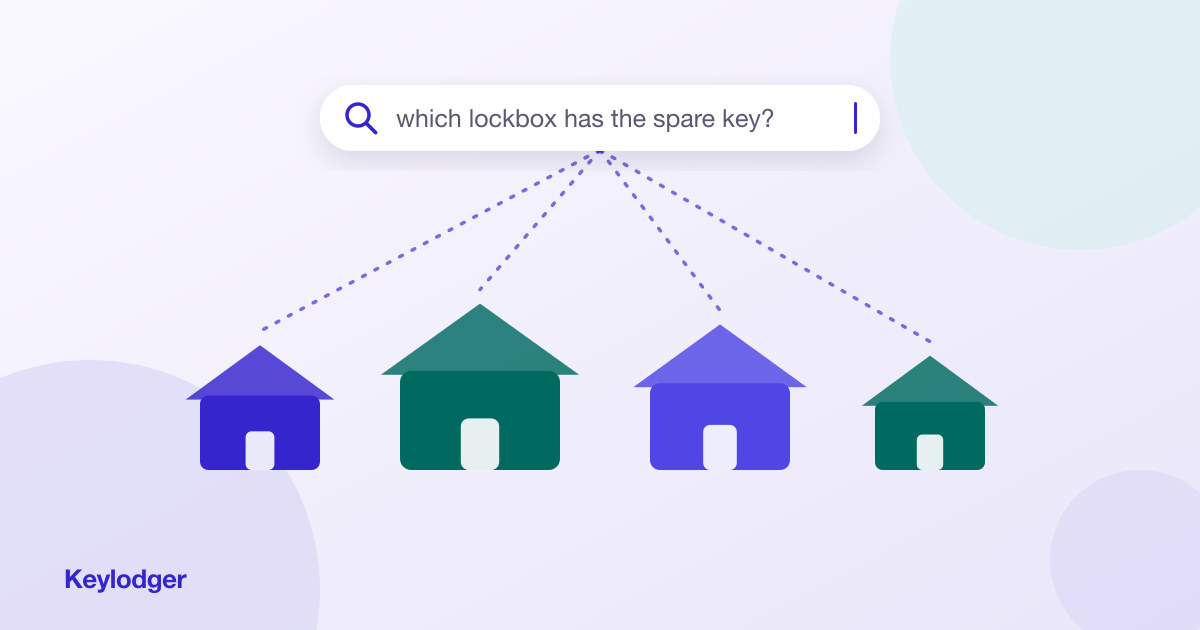
This is the system most hosts build last, after the pain. With one property, you know the WiFi password by heart. With six, you're managing roughly 150+ operational facts — codes, networks, contacts, accounts, quirks — and every one of them will be needed at an inconvenient moment. The failure isn't dramatic; it's a steady tax: three minutes here scrolling for a code, ten minutes there calling your co-host, an evening reconstructing utility logins for tax season.
The fix is a portfolio-wide, searchable home for operational details — which is precisely what Keylodger is. Every property gets structured sections (access, WiFi, contacts, utilities, insurance, notes); search spans all of them at once; sensitive values stay masked until tapped. The host who answers any question about any property in five seconds isn't more experienced than you — they just stopped using their memory as a database.
The order of operations
- 2–3 listings: pricing automation + a real information system (memory is already failing; you just haven't noticed)
- 4–6 listings: add messaging automation and auto-scheduled cleaning
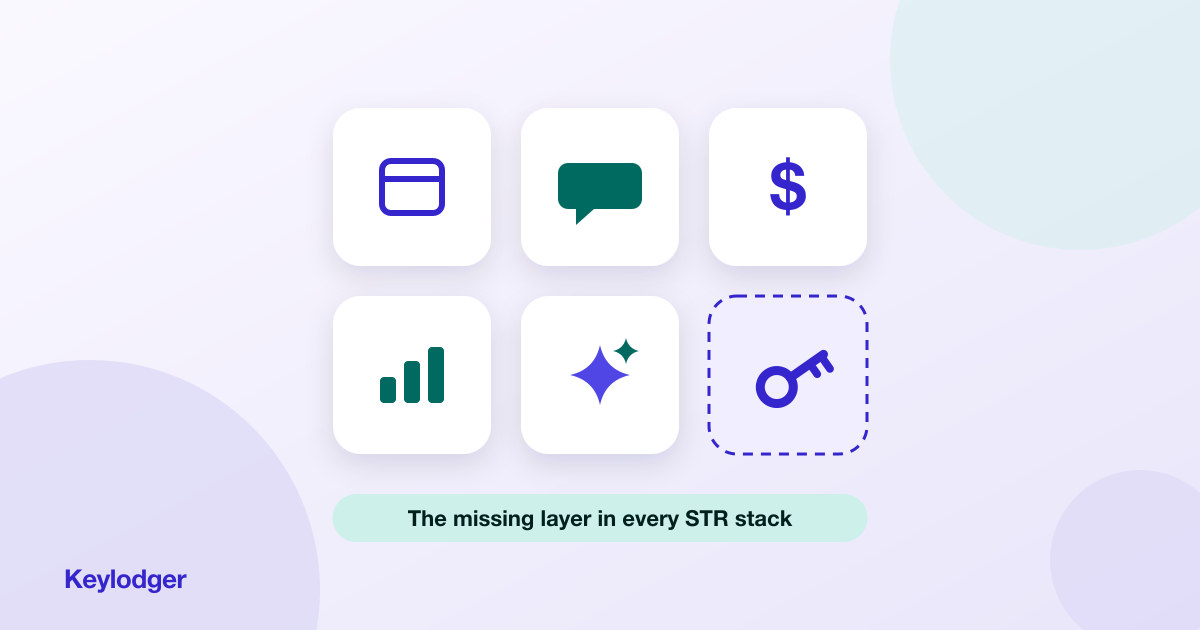
- 7+ listings: adopt a PMS for channel management — and keep the information layer; a PMS doesn't replace it
Scale is not about working harder during turnovers. It's about making every question cheap to answer. Get the four systems in place and the tenth property is genuinely easier to run than the second was.