Airbnb Passive Income in 2026: What's Real, What's Hype, and How to Get Closer
Is Airbnb really passive income? A realistic look at 2026 STR returns — and the systems that move hosting from a second job toward genuinely passive income.
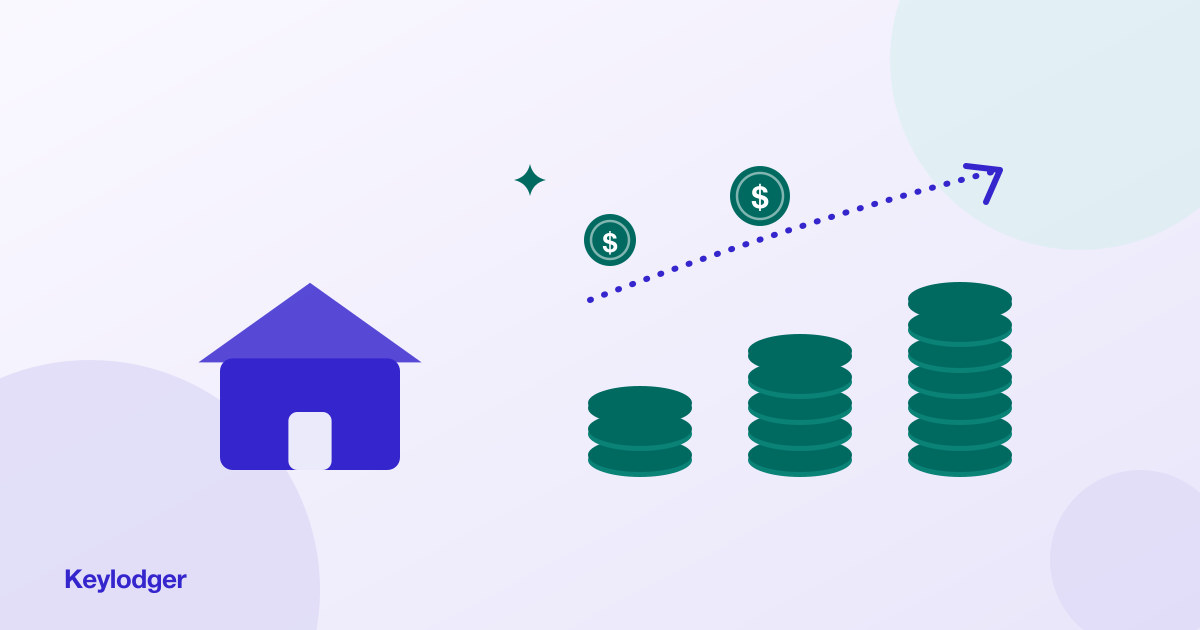
"Passive income with Airbnb" might be the most-searched promise in real estate — and the most misunderstood. Here's the honest version: a short-term rental is one of the few investments where you choose how passive it is. Run it from your phone with no systems and it's a demanding second job. Build the right structure and it gets remarkably close to the passive ideal. This post covers the real 2026 numbers and the ladder that takes you from operator to owner.
The 2026 reality check
- Well-run STRs are returning 10–15% cash-on-cash in 2026 — strong against most asset classes, but down from the 20–30% gold-rush era
- Airbnb now hosts 8+ million listings worldwide; competition is professional, not hobbyist
- Mid-size markets — Columbus, San Antonio, Chattanooga — consistently outperform saturated tourist hubs on price-to-revenue
- Out of the spotlight, smaller markets can surprise: Port Arthur, TX averages around $35K annual revenue at 67% occupancy
So the income is real. The "passive" part is what you build — and most analyses skip what that actually requires.
Why an Airbnb isn't passive by default
An unsystemized STR generates constant micro-work: guest questions at all hours, turnover coordination, pricing decisions, the cleaner asking for a door code, the WiFi outage mid-stay. None of it is hard; all of it interrupts. The income may be excellent while the hourly income quietly collapses — that's the trap most first-year hosts discover.
The passivity ladder
- Rung 1 — Self-managed, no systems. A second job. Where everyone starts; where 35% of hosts burn out.
- Rung 2 — Automated. Dynamic pricing, automated messaging, auto-scheduled cleaning. Cuts effort to a few hours a week (our tech stack guide covers the tools).
- Rung 3 — Delegated. A co-host or virtual assistant handles day-to-day operations; you make decisions. A few hours a month.
- Rung 4 — Fully managed. A property manager runs everything for 20–30% of revenue. Truly passive — if returns survive the fee.
Most owners maximize income-per-effort at rungs 2–3: automation plus partial delegation, keeping the 20–30% management fee in their own pocket.
The hidden prerequisite: delegation runs on information
Here's what stalls hosts between rung 2 and rung 3: you can't delegate an operation that lives in your head. The moment a co-host, VA, or backup cleaner takes over a task, they need what you know — door codes, WiFi credentials, vendor contacts, quirks, account numbers. If those facts sit in your text history, you remain the bottleneck, and the "passive" investment still pings you on vacation.
That handoff layer is exactly what Keylodger provides: every property's operational details in one structured, searchable place — sensitive values masked by default, any answer two seconds away. Document once, and the next person can genuinely take over. It's the difference between hiring help and actually being helped. Start with our guide to organizing property information.
The verdict
Airbnb passive income in 2026 is real but earned: realistic underwriting (10–15%, not 30%), a smart market, automation, and an information system that makes delegation possible. The investors who get there aren't luckier — they treat the operation, not just the property, as the asset. Build the systems and the income keeps flowing whether or not you're watching.